.jpg)
1987–1991 M.S., Department of Horticulture, School of Biological Sciences, University of Bath, UK
2010 – 2018 Assistant Professor, Institute of Tropical Plant Sciences, National Cheng Kung University
2007 – 2010 Project Assistant Professor, Institute of Tropical Plant Sciences, National Cheng Kung University
Chloroplast Disassembly Mechanisms and Plant Stress Physiology
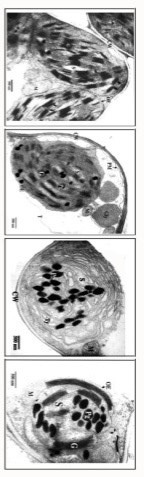
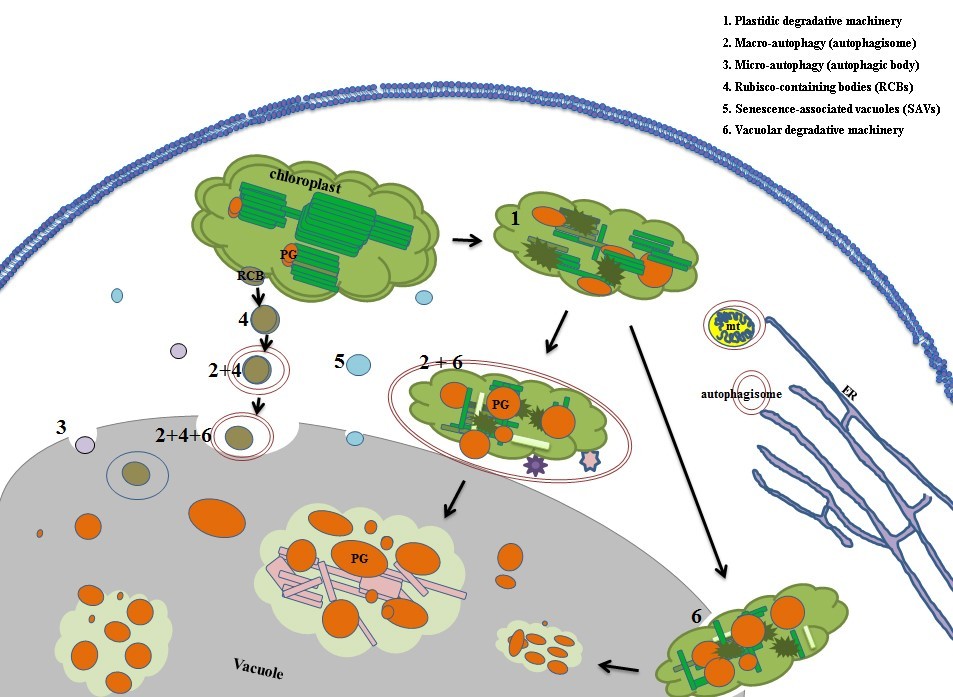
I. Disassembly of chloroplast membrane systems
The three-dimensional structure of the internal membrane system in chloroplasts is highly complex. The composition and structural stability of thylakoid membranes not only provide the physical environment required for photosynthetic complexes, regulate the transport of substances into the thylakoid lumen and chloroplast stroma, and generate proton electrochemical gradients that directly affect photosynthetic efficiency, but also play a decisive role in leaf senescence. Investigating the disassembly mechanisms of chloroplast internal membranes and their molecular regulation by developmental and environmental factors can be applied to improve postharvest preservation and stress tolerance of economic crops.
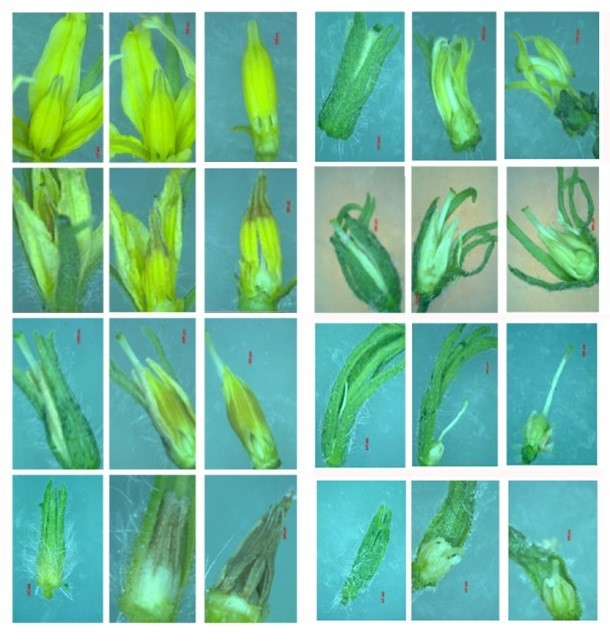
II. Heat stress resistance mechanisms in economic crops
Economic crops such as tomato and Brassicaceae species are cool-season crops and are highly sensitive to heat stress. High temperature stress affects plant development, leading to impaired flowering and fruit set, thereby reducing crop quality and yield. Therefore, breeding heat-tolerant crop varieties is an important agricultural issue. This study uses genome resequencing, RNA-seq, molecular biology, cell biology, and high-throughput phenotyping techniques to investigate the physiological and molecular mechanisms of reproductive organs under heat stress, and applies the findings to molecular breeding for heat tolerance, improving the developmental, pollination, and fruiting limitations of tomato under high-temperature conditions.
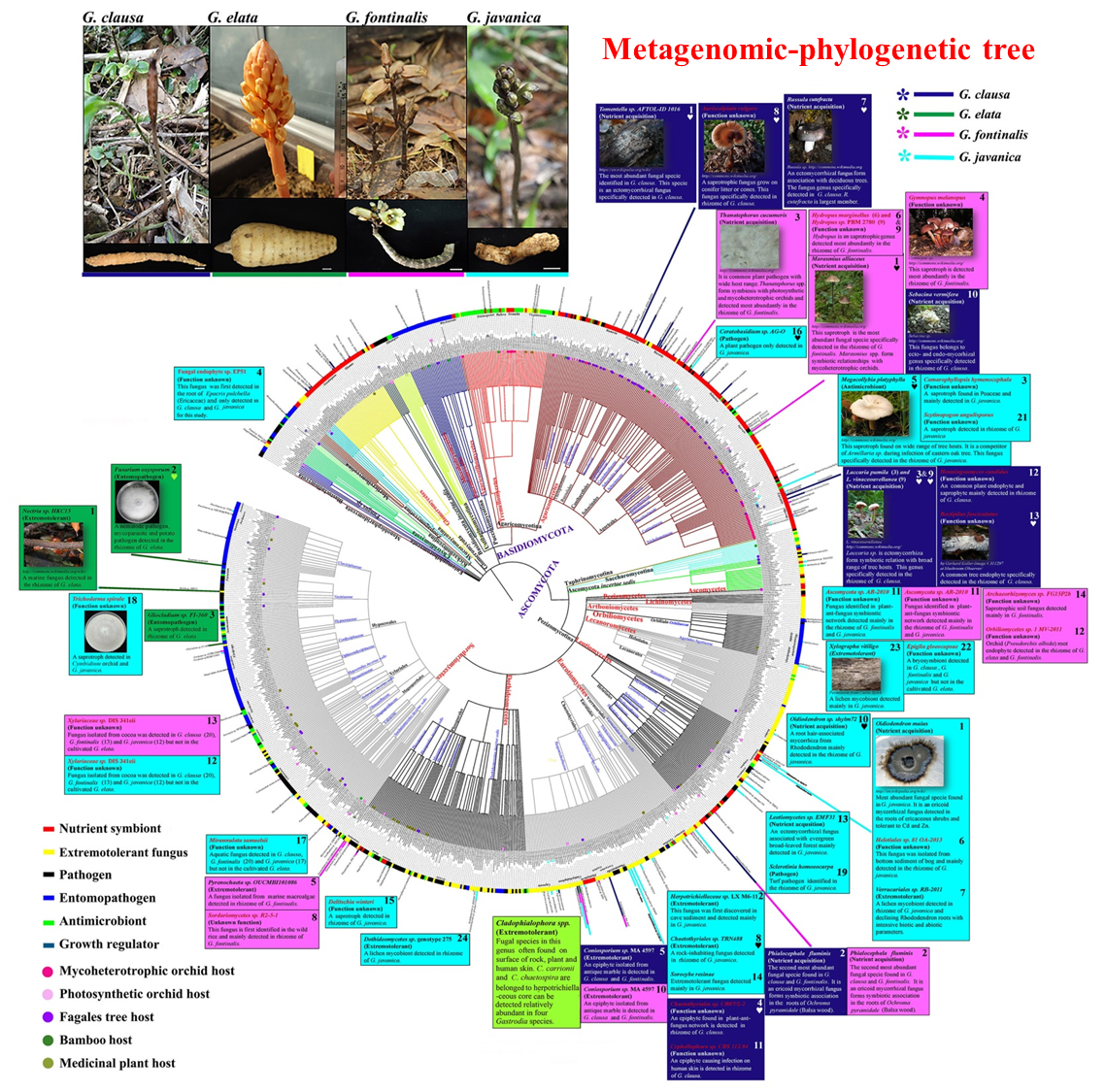
III. Roles of plant-associated microbiomes under environmental stress
The plant-associated microbiome is considered a second genome of plants. Microbial diversity plays an important role in plant growth, development, and resistance to both biotic and abiotic stresses. By using metagenomics and meta-transcriptomics, we investigate the interactions among plants, microorganisms, and the environment to understand their effects on plant growth, development, and stress tolerance, and to develop symbiont-based crop production systems.
- Published 5 journal papers in the past five years, with a total Impact Factor of 22.066 and an average IF above 4.4 per paper
- Participated in the AVRDC – World Vegetable Center Innovations Fund project and the Academia Sinica Taiwan Core Germplasm Project – Tomato Program